
How Youngstown's Aging Housing Stock Affects Your Residential Plumbing
Youngstown, OH, home to one of the oldest housing stocks in the Midwest, presents unique challenges for residential plumbing that every local homeowner should understand. Many properties throughout Mahoning County were built during the city's industrial peak between 1900 and 1960, when galvanized steel and cast iron were standard pipe materials. If your home dates to that era, the pipes behind your walls may be well past their intended service life. Understanding what that means can help you catch problems early and make smarter decisions about repair or replacement.
Why Youngstown's Older Homes Are Prone to Pipe Problems
Youngstown's housing stock reflects its industrial growth. Peak residential construction fell between 1900 and 1960, precisely when galvanized steel was the standard material for water supply lines. Neighborhoods like Wick Park, Smoky Hollow, and the South Side may still have original plumbing running behind walls and under floors, with cosmetic updates applied over the decades but the pipes left untouched.
Youngstown's cold winters add further stress. Freeze events and frost-depth conditions increase burst risk, and older pipe materials already weakened by corrosion are far more vulnerable to winter-related cracking and failure.
What Types of Pipes Are Most Common in Pre-1970 Homes?
Older Youngstown homes typically contain one or more of these aging materials.
Galvanized Steel Pipes
Used for water lines in homes built before the 1960s, galvanized pipe is iron coated with zinc. Over time, the zinc erodes, leaving the pipe susceptible to corrosion. Most become clogged with rust before they reach their theoretical 60-year lifespan. Once corrosion builds up inside, water pressure drops noticeably at faucets and fixtures throughout the home.
Cast Iron Drain Pipes
Cast iron drain systems from the 1880s to 1940s are past their 40 to 70-year design life across much of Youngstown. Cast iron corrodes from the inside, developing rough surfaces that trap waste and grease, then progressing to cracks, joint separations, and eventual collapse.
Mixed-Generation Systems
Many properties have been repaired or remodeled over time, leaving several generations of pipe materials within one system. Copper water lines, galvanized steel connections, cast iron drains, and newer PVC repairs can all coexist, making diagnosis more complex.
Signs Your Pipes May Be Failing
Watch for these warning signs:
▸Discolored or rust-tinged water from faucets or showers
▸Noticeably low water pressure throughout the house, not just at one fixture
▸Frequent drain clogs that return even after snaking
▸Damp spots, staining, or soft areas on walls, ceilings, or floors
▸A sulfur or metallic smell from the tap
▸Visible surface rust or flaking on exposed pipe sections
If you notice two or more of these signs together, it may be time for a professional residential plumbing assessment.
How Do I Know if My Home Needs Repiping?
Repiping may make sense when repairs are becoming frequent, water quality is a concern, or pressure problems affect multiple areas of the home. Most Ohio plumbers and home inspectors recommend full replacement once galvanized pipes reach 50 to 60 years of age. If your Youngstown home was built before 1970 and the original supply lines have never been replaced, that threshold has already passed.
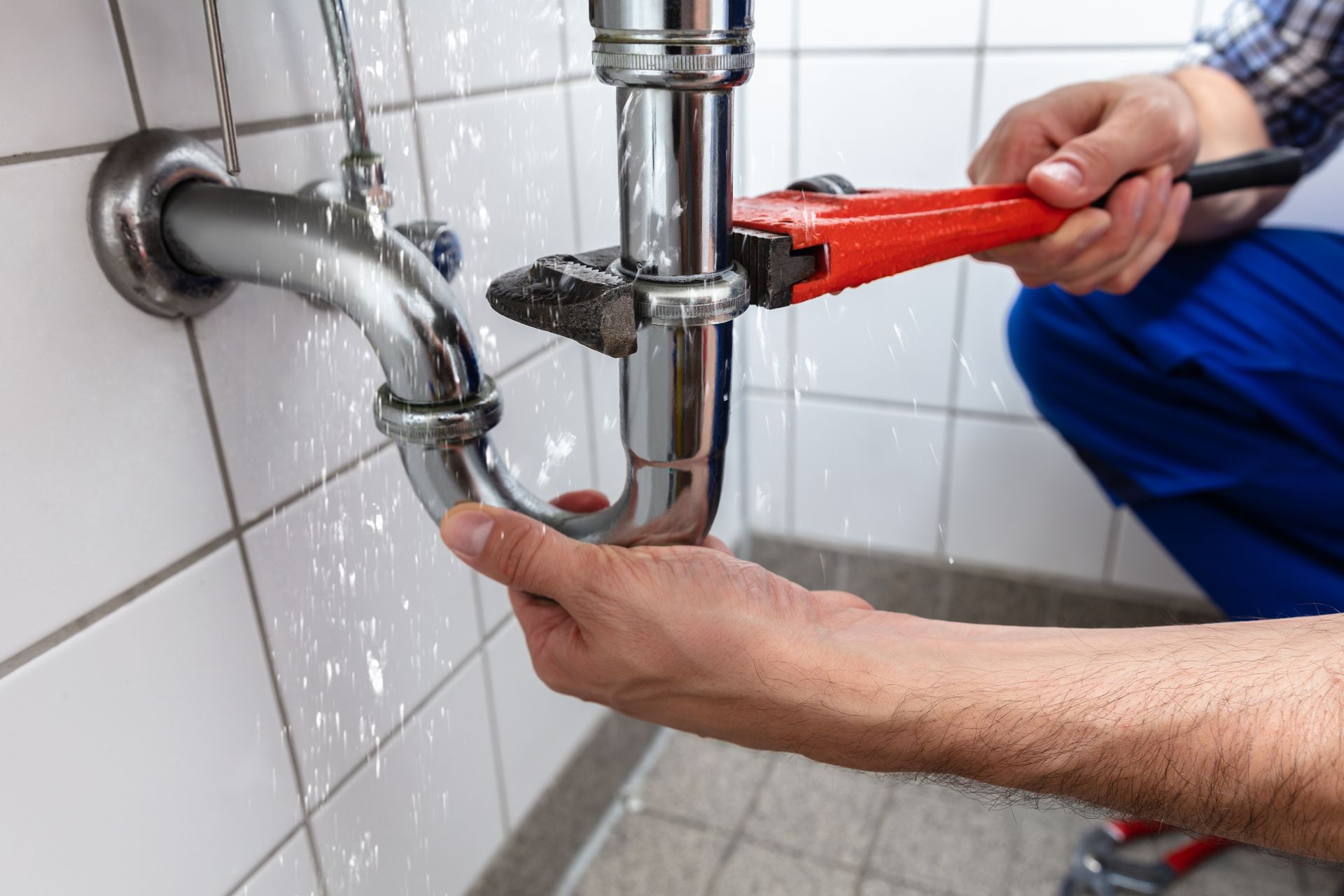
Spot repairs address individual failures, but if the system is failing in multiple places, you will face ongoing repairs for years. A whole-home repipe with copper or PEX eliminates the problem entirely, restores full water pressure, improves water quality, and adds value to your home.
When Does Repair Make More Sense than Replacement?
Not every aging pipe situation calls for a full repipe. If only one section is affected and the rest of the system is in acceptable condition, targeted repairs can extend the life of your plumbing at a lower cost. Plumbers in Youngstown routinely scope supply lines before quoting any repair, because underlying pipe condition often makes full replacement more cost-effective than patching.
Does Old Plumbing Affect Water Quality?
It can. If your Ohio home was built before 1986 and still has original plumbing, testing your water at the tap, not just at the utility connection, is worth considering. Corroded galvanized and cast iron pipes can introduce rust and particulates into the water supply. If your household includes children or anyone with health concerns, water quality testing is a reasonable step.
What to Expect From a Professional Pipe Assessment
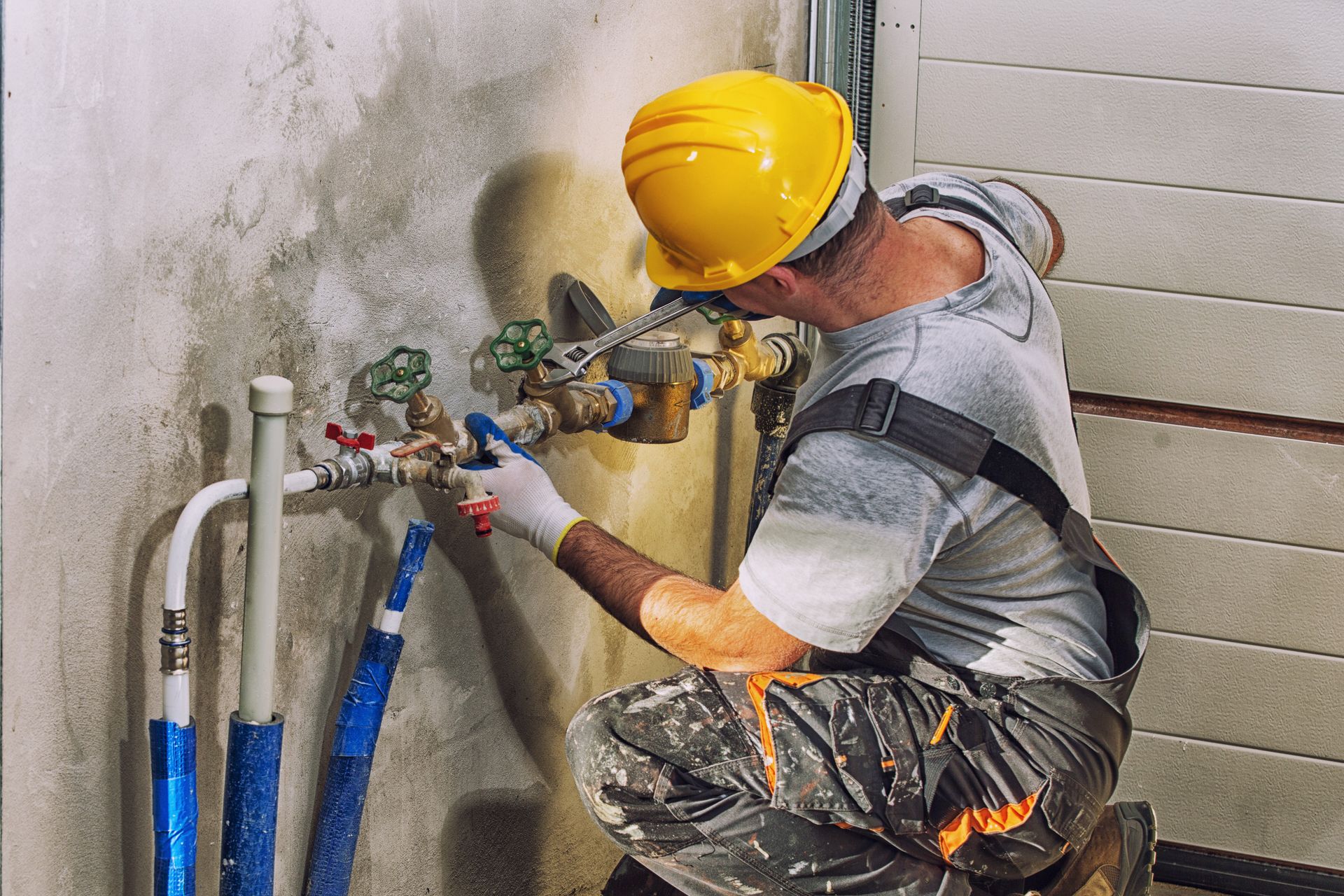
A plumber will typically begin by identifying what materials are present in your system. Assessments in older Mahoning County homes often combine a visual inspection of exposed pipe with a camera scope of drain lines to evaluate interior condition. From there, you will receive a clear picture of what needs attention now versus what can wait.
Knowing your pipe materials, their age, and their current condition puts you in a much better position to plan and budget. Residential plumbing problems rarely fix themselves, and catching failing pipes before they leak can prevent far more costly water damage down the road.
Ready to Protect Your Youngstown Home's Plumbing?
Older homes in Youngstown have a lot to offer, but aging pipes are a challenge worth addressing sooner rather than later. EMS Plumbing & Heating has been serving Mahoning County homeowners since 1974 as a certified master plumbing team with deep familiarity with the pipe conditions common to this area's housing stock. Whether you need a pipe inspection, targeted repairs, or a full repipe evaluation, EMS Plumbing & Heating can assess your system and walk you through your options clearly.
Visit the
residential plumbing services page to learn more, or reach out through the
contact page to schedule an assessment. For urgent issues, call
(330) 788-3976, and the team is available 24/7 for emergency service.